
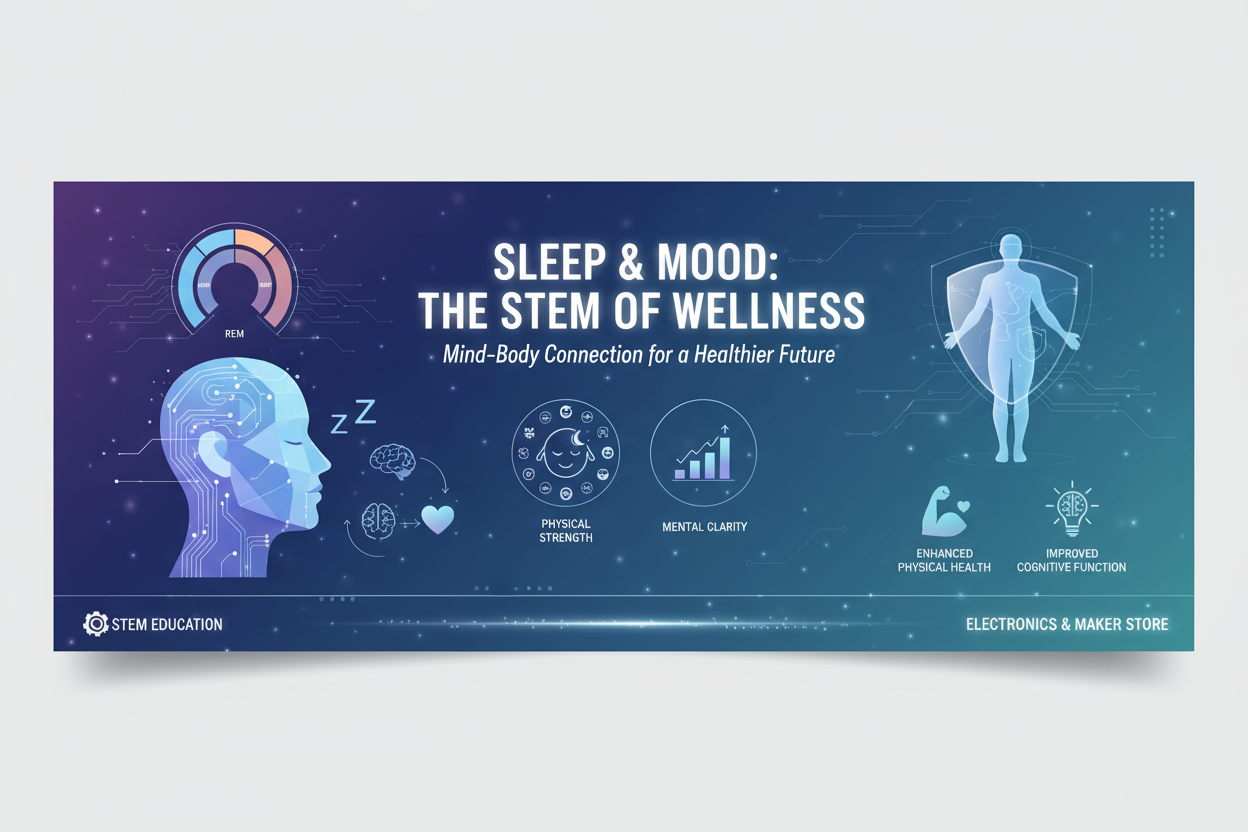
How Sleep and Emotions Influence Each Other: A Complete Guide to Mental & Physical Well-Being
Sleep and emotions are deeply interconnected. The quality of your sleep shapes the way you think, behave, and react emotionally. At the same time, your emotional state—whether calm, stressed, anxious, or overwhelmed—can either improve or disrupt your sleep cycle. When one of these two systems is affected, the other often suffers as well. Understanding this relationship can help you improve your mental health, emotional stability, and overall well-being.
1. How Sleep Affects Emotions
1.1 Poor Sleep Disrupts Emotional Balance
Sleep plays a key role in emotional regulation. When you don’t get enough sleep, the brain’s emotional center—the amygdala—becomes overactive.
Results include:
- Increased irritability
- Heightened stress response
- Mood swings
- Reduced patience and tolerance
- Emotional hypersensitivity (you react strongly to small things)
1.2 Sleep Helps the Brain Reset Emotional Circuits
During deep sleep and REM sleep, the brain processes emotions, stores memories, and removes emotional stress from the day.
Good sleep results in:
- Improved mood
- Better decision-making
- Clearer thinking
- Ability to handle challenges calmly
- Higher emotional resilience
1.3 Chronic Sleep Deprivation Causes Severe Emotional Issues
Lack of sleep for several days or weeks can lead to:
- Anxiety disorders
- Depression
- Panic attacks
- Lower motivation
- Social withdrawal
- Negative thought patterns
- Reduced empathy and difficulty connecting with others
2. How Emotions Affect Sleep
2.1 Stress Disrupts the Sleep Cycle
Stress triggers the release of cortisol, a hormone that keeps the brain alert. High cortisol at night causes:
- Difficulty falling asleep
- Waking up multiple times
- Light, poor-quality sleep
- Early morning awakening
2.2 Anxiety Overactivates the Mind
An anxious brain continues to “think” even when the body is tired. This creates:
- Racing thoughts
- Overthinking
- Increased heart rate
- Restlessness
- Insomnia
2.3 Depression Alters Sleep Patterns
Depression can cause two extremes:
- Hypersomnia (sleeping too much)
- Insomnia (unable to sleep)
It also disrupts REM sleep, making it harder for the brain to process emotions.
2.4 Emotional Trauma Affects Nighttime Brain Activity
Emotional pain, PTSD, or unresolved grief may lead to:
- Frequent nightmares
- Night terrors
- Sudden awakenings
- Trouble reaching deep sleep stages
3. Why Are Sleep and Emotions Connected?
3.1 Shared Brain Structures
Areas of the brain that regulate emotions (like the amygdala and prefrontal cortex) also regulate sleep. When one is dysregulated, the other is affected.
3.2 Hormonal Links
Several hormones influence both sleep and emotional health:
- Serotonin – stabilizes mood and helps produce melatonin
- Melatonin – regulates sleep cycles and reduces stress
- Cortisol – increases alertness but disrupts sleep at night
- Dopamine – affects motivation and wakefulness
3.3 The Body’s Stress System (HPA Axis)
When this system is activated for too long, it interferes with sleep and emotional regulation simultaneously.
4. Strategies to Improve Both Sleep and Emotional Well-Being
4.1 Create a Consistent Sleep Routine
- Sleep and wake up at the same time daily
- Avoid long afternoon naps
- Keep weekends consistent
4.2 Build a Sleep-Friendly Environment
- Cool, dark, quiet room
- Comfortable mattress and pillows
- Remove bright screens from the bedroom
4.3 Reduce Stress Before Bed
- Deep breathing exercises
- Light stretching or yoga
- Meditation or mindfulness
- Journaling stressful thoughts
4.4 Healthy Lifestyle Habits
- Exercise regularly (but not just before bed)
- Avoid caffeine 6 hours before bedtime
- Reduce sugar and heavy meals at night
- Limit alcohol—it disrupts REM sleep
4.5 Manage Emotions Throughout the Day
- Practice emotional awareness
- Seek social support
- Use grounding techniques
- Consider therapy when needed
- Engage in enjoyable, relaxing activities
5. Summary
Sleep and emotions form a two-way relationship:
- Good sleep → stable emotions
- Poor sleep → emotional imbalance
- Negative emotions → disturbed sleep
Improving both areas at the same time leads to long-lasting benefits for mental clarity, energy levels, mood, productivity, and overall happiness.